Understanding Aggressive Behavior in Dogs
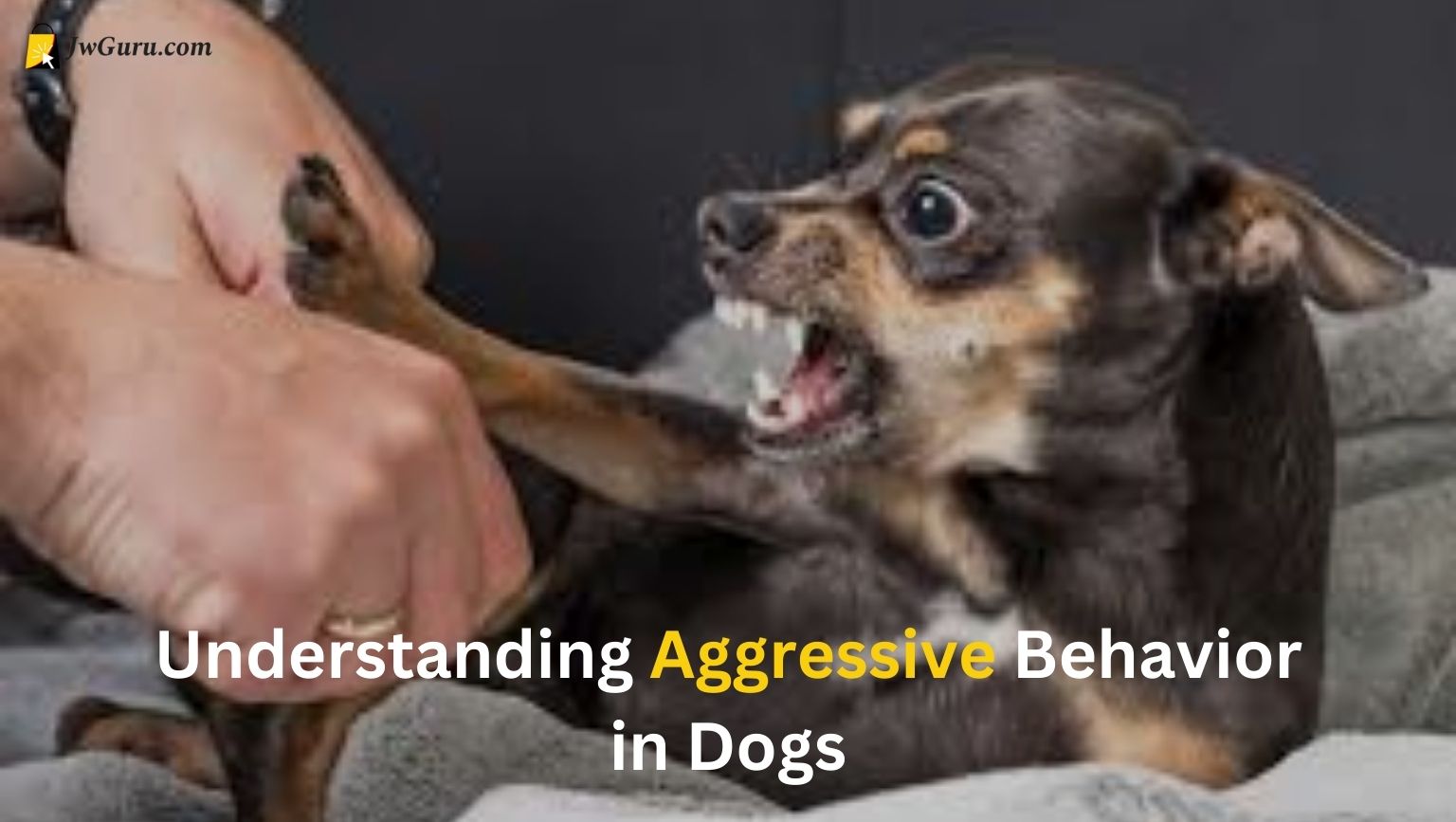
Aggression in dogs can appear as growling, barking, lunging, or biting. The key to managing aggression is understanding its root cause.

Common Causes of Aggression:
- Fear-Based Aggression – Triggered when a dog feels threatened.
- Territorial Aggression – Defending space, home, or family.
- Possessive Aggression – Guarding food, toys, or other resources.
- Pain-Induced Aggression – Caused by injury or health issues.
- Social Aggression – Due to poor socialization with people or other dogs.
Steps to Train an Aggressive Dog
1. Identify Triggers
Observe what situations or stimuli provoke aggression in your dog. Common triggers include strangers, loud noises, or unfamiliar animals.
2. Establish Leadership and Trust
Dogs respond best to a calm and confident owner. Set clear boundaries and remain consistent to build trust.
3. Use Positive Reinforcement
- Reward calm behavior with treats and praise.
- Avoid punishment, as it may increase fear and aggression.
- Teach commands like “sit” and “stay” to reinforce control.
4. Controlled Socialization
Slowly expose your dog to new experiences in a controlled way.
- Use a leash and muzzle if necessary.
- Start with distant interactions and move closer gradually.
- Reward positive behavior during socialization.
5. Desensitization and Counterconditioning
Expose your dog to their triggers in a controlled manner while rewarding them to change their response.
6. Provide Mental and Physical Stimulation
- Give them daily exercise through walks and play.
- Use puzzle toys to keep their mind engaged.
- Establish a structured routine for security.
7. Seek Professional Help if Needed
If your dog’s aggression is severe, consider consulting a professional dog trainer or behaviorist.
Preventing Aggression
- Socialize your dog from an early age.
- Be consistent with rules and training.
- Supervise interactions with children and other pets.
Conclusion
Training an aggressive dog takes patience, consistency, and understanding. By using positive reinforcement and structured training techniques, you can help your dog become more obedient and less reactive. If needed, seek professional help to ensure safety and success.